
Porsche Taycan Updates: E-Shift Adds Simulated Gears for Enhanced Driver Involvement
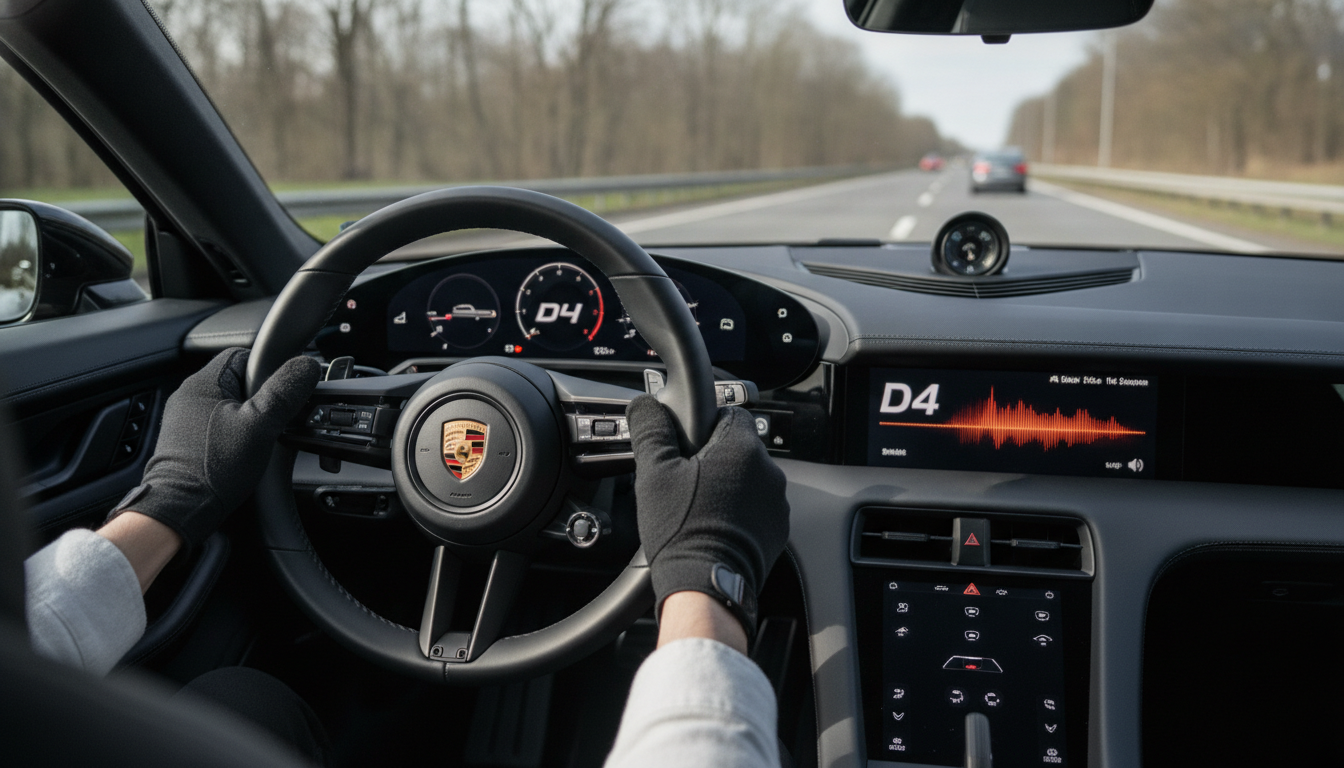
Porsche Taycan Embraces Simulated Gearing with E-Shift Update
Porsche is introducing a significant update to its Taycan electric vehicle lineup with the addition of a new system called "E-Shift" for the 2027-model-year. This optional system aims to enhance driver involvement by simulating an eight-speed transmission, complete with synthesized engine notes and a virtual rev limiter. This move represents a notable shift for the Stuttgart-based sports-car maker, which had previously expressed disinterest in fake shifting technologies.
Simulated Gearing for Enhanced Driver Engagement
The new E-Shift system is designed to make acceleration less seamless, deliberately introducing elements that mimic the feel of a combustion engine. Drivers can use steering wheel paddles to shift up and down through the eight simulated gears. Porsche states that "the transmission mapping and sound characteristics are tailored to each model, giving each variant its own acoustic and driving profile." The system aims to provide authentic feedback through realistic gear changes, including noticeable gear-shift jerks and gear-specific drag torque, comparable to the engine-braking behavior of a combustion-engined car. A virtual rev limiter ensures the simulation is complete.
Porsche emphasizes that the E-Shift system is focused on driver involvement rather than outright speed. The car adjusts its sound and the strength of acceleration to mimic the power delivery of a real combustion engine. While the Taycan already features a real two-speed rear gearbox, the E-Shift appears to operate as a separate software layer, adding a new dimension to the driving experience.
Requirements and Performance Implications
To experience the simulated shifts in the new Taycan, customers need to specify the Sport Chrono Package, the Porsche Electric Sport Sound, and one of the two optional sound systems. However, this feature comes as standard on the range-topping Taycan Turbo GT. The Taycan Turbo GT has also seen an increase in power, aided by the Manthey kit that helped it regain the Nurburgring EV lap record.
It is important to note that enabling the E-Shift system can make the car slightly slower. This is because the simulation includes a pause in acceleration during gear shifts, mirroring the behavior of a combustion engine. For drivers prioritizing maximum performance, Porsche suggests keeping the engine simulation off to extract the car's full potential.
Broader EV Trend Towards Simulated Performance
The introduction of E-Shift by Porsche aligns with a broader trend in the EV market. Competitors such as Hyundai with its Ioniq 5 N, BMW, Mercedes-AMG, and even Ferrari are exploring similar concepts to add more sensory feedback and engagement to electric performance vehicles. The Hyundai Ioniq 5 N, for instance, has already demonstrated the appeal of simulated gears and synthetic engine notes in making sporty EVs more engaging.
The refreshed Taycan also benefits from a larger standard battery, further enhancing its appeal. While the exact sound profile may vary by model, Porsche has indicated that the sound is designed to adapt to the respective driving situation, depending on load and 'engine' speed, providing a dynamic acoustic experience.
Leave a Comment
No comments yet. Be the first!
Related Posts
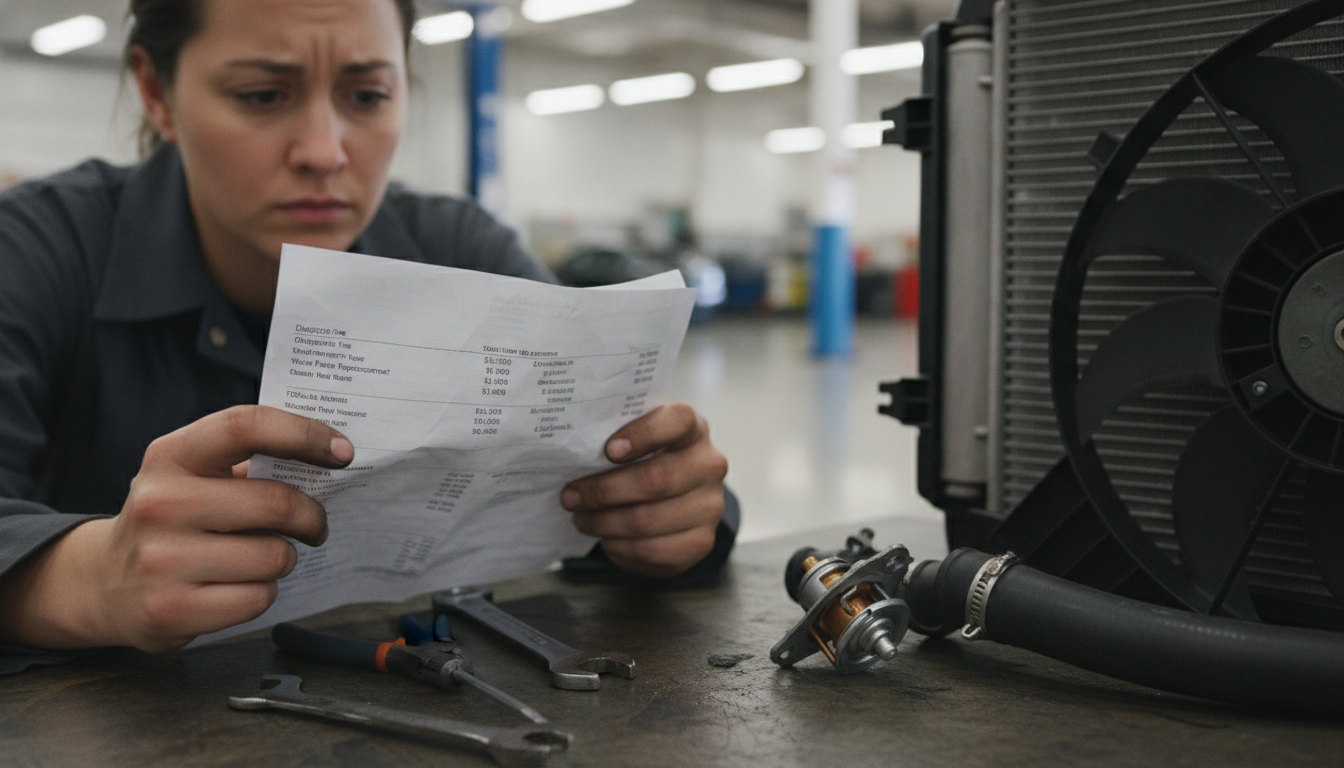
Woman Questions $4,000 Dealership Repair Estimate After Dad's Inspection
A woman's trust in her car dealership was shaken after receiving a nearly $4,000 repair estimate. Her experience highlights the importance of questioning extensive repair recommendations and seeking second opinions.

Volkswagen Beetle Backseat Saga: TikTok User Documents Junkyard Hunt
A TikTok user's quest for a replacement backseat for her 2007 Volkswagen Beetle after detailer damage goes viral, highlighting a resourceful solution.
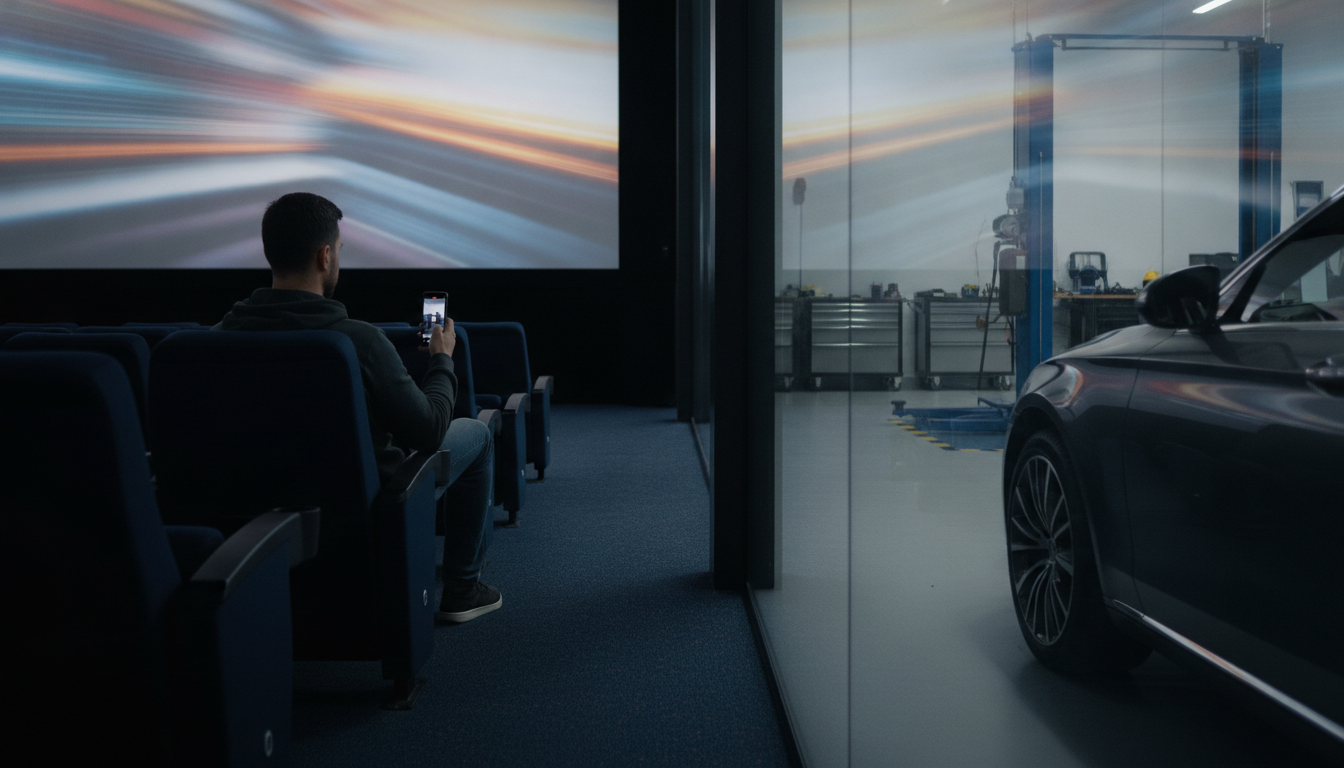
Dealership Service Takes Unexpected Turn: Man Escorted to Movies
A viral video showcases a unique approach to car servicing, with a content creator utilizing dealership services for an unconventional outing. Explore the realities of car maintenance wait times and creative solutions.
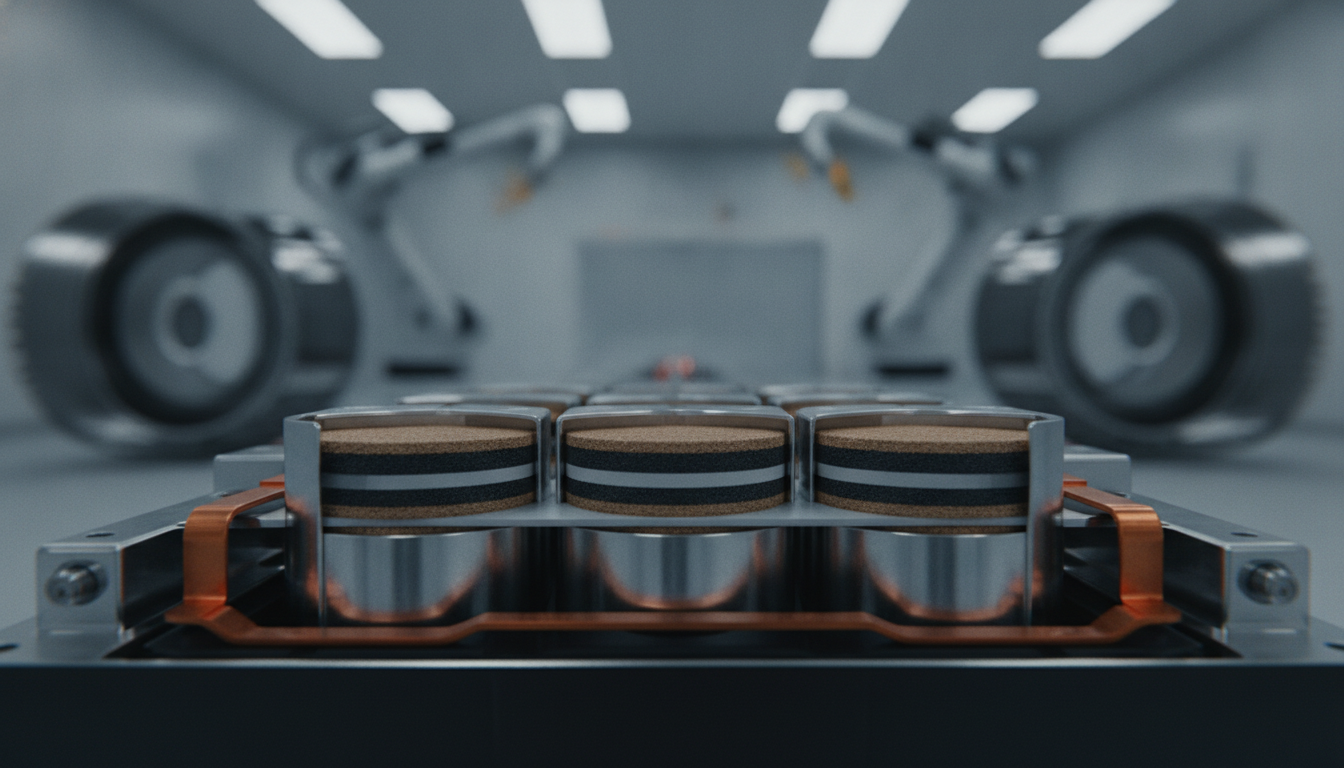
General Motors Bets on Silicon Anodes for Next-Gen EV Batteries
General Motors is accelerating its EV battery development by focusing on silicon anodes, a technology poised to significantly enhance range and charging speeds, potentially outpacing the timeline for solid-state batteries.